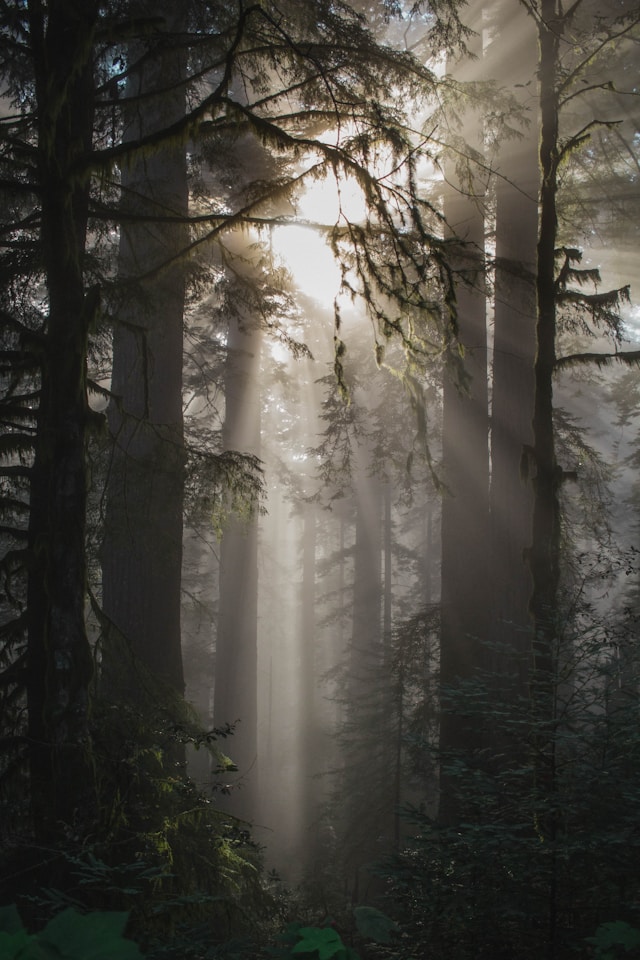
old growth
-
Sonoma Tree Vole Eats One Surprising Thing
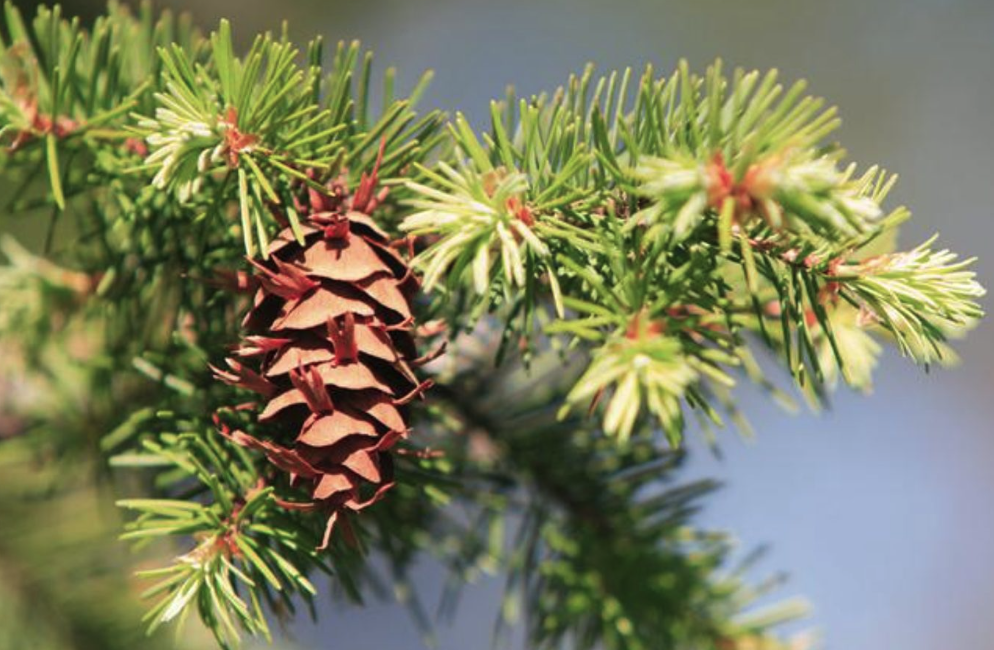
She weighs about an ounce and lives over a hundred feet high in a Douglas-fir, the second tallest tree in the world, second to coastal redwoods. The Sonoma tree vole’s only food source is Douglas-fir or Grand fir needles, depending… Continue reading
-
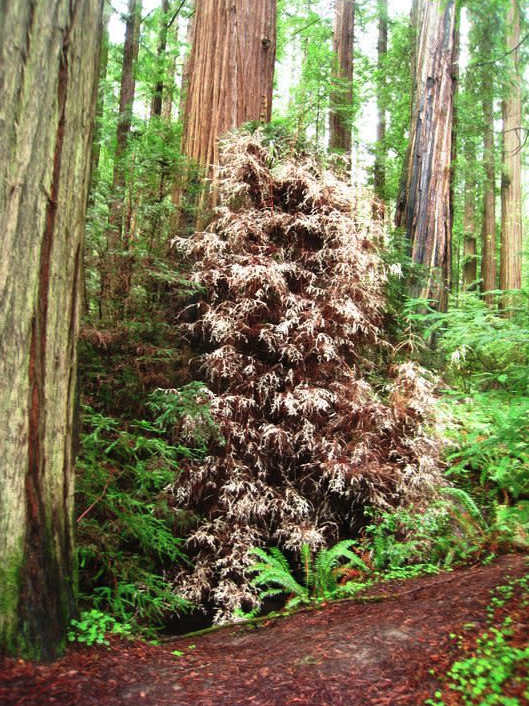
Albino Redwoods, first thought to be parasites, are big contributors
Redwoods are the planet’s fastest-growing plants, thriving through efficient sunlight capture. Rare Albino Redwoods lack chlorophyll but symbiotically rely on green counterparts for sustenance. Genetic research on both types aids conservation efforts, highlighting adaptation mechanisms like fog water capture and… Continue reading
-
Interconnected Owls, Truffles, and Flying Squirrels
There’s an interconnectedness of nature, for example, the Humboldt’s Flying Squirrel, black truffles, and the Northern Spotted Owl. Please help protect endangered species against proposed regulatory changes in the Endangered Species Act. Continue reading

-
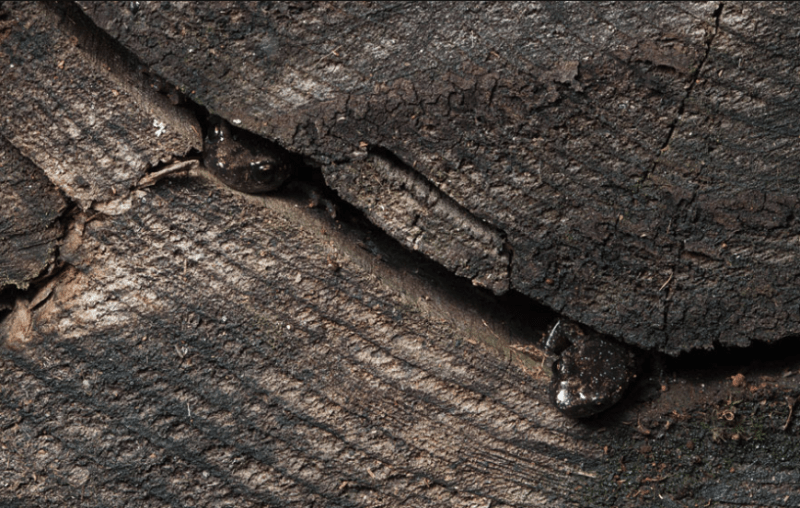
Salamander’s Home, Our Home
The ancient redwood forests are critical habitats for species like wandering salamanders. The forests are also vital for carbon storage and biodiversity. Together we can protect these worlds. Continue reading
-
Restoring Forests and Ourselves
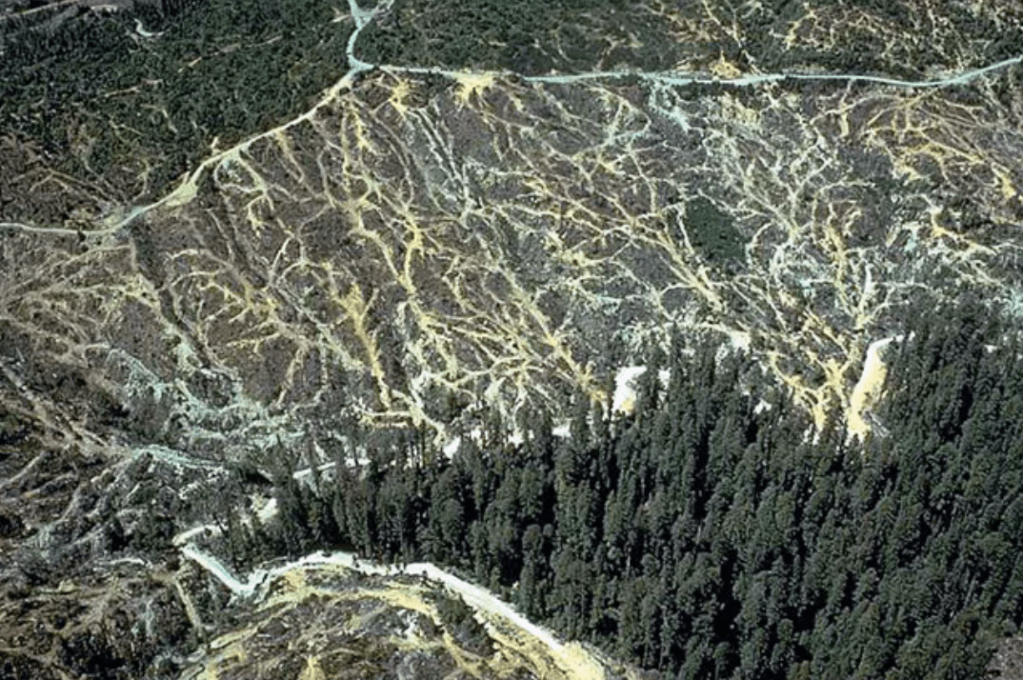
Some of today’s logging practices haven’t changed since the 1800’s which leaned heavily on clearcutting, which is the foundation for the administration’s “Fix Our Forests Act.” Instead, by combining science and indigenous knowledge we can restore both forests and our… Continue reading
-
Salamanders are Flying in the World’s Tallest Trees
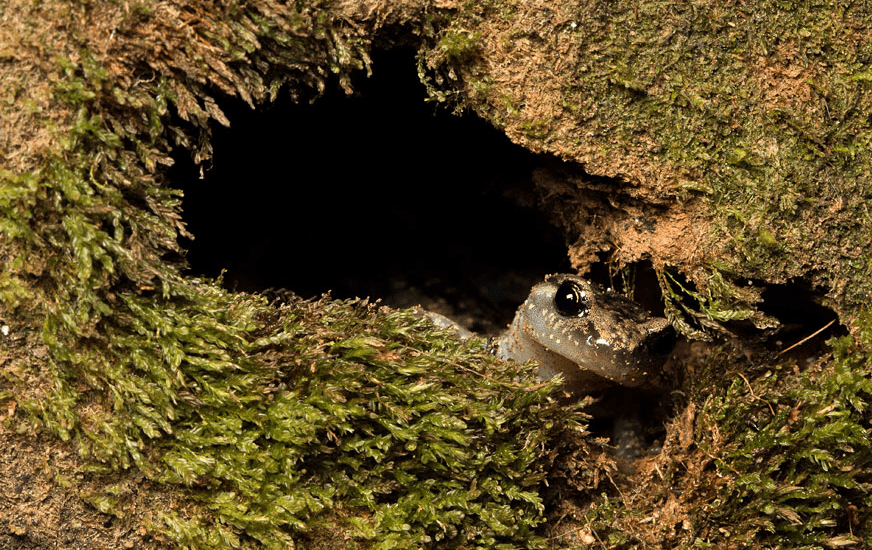
Wandering salamanders live in the ancient redwood forest, flying and gliding to safety or food. They don’t need to leave the redwood canopy because all they need is in this ancient tree. Continue reading
-
Silent Signals
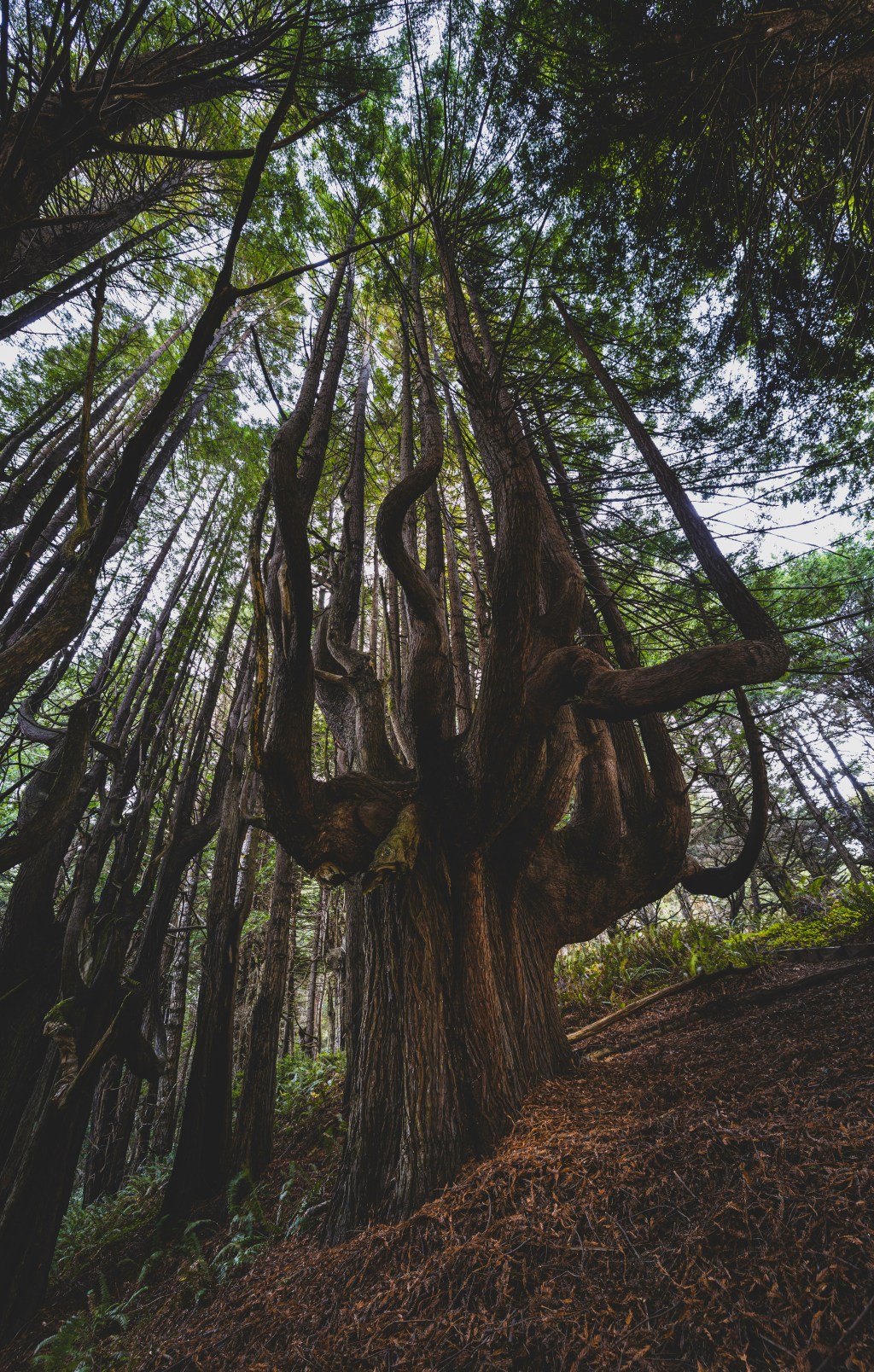
Despite lacking a brain, redwood trees exhibit remarkable behaviors, influencing forest ecosystems and human health. They release beneficial chemicals, improve air quality, and reduce carbon dioxide levels. Their mycorrhizal networks foster communication between trees. Conservation is crucial for combating climate… Continue reading
-
Breathing with Giants
A giant redwood tree, over 300 feet tall, has survived since the Roman era, providing habitat for various wildlife and supporting the ecosystem. Its unique relationship with fungi creates a vast nutrient network. This ancient forest nurtures life, influences climate,… Continue reading